Showing posts with label Bmw Car. Show all posts
Tuesday, 16 August 2011
Friday, 10 June 2011
bmw m6
| bmw m6 |
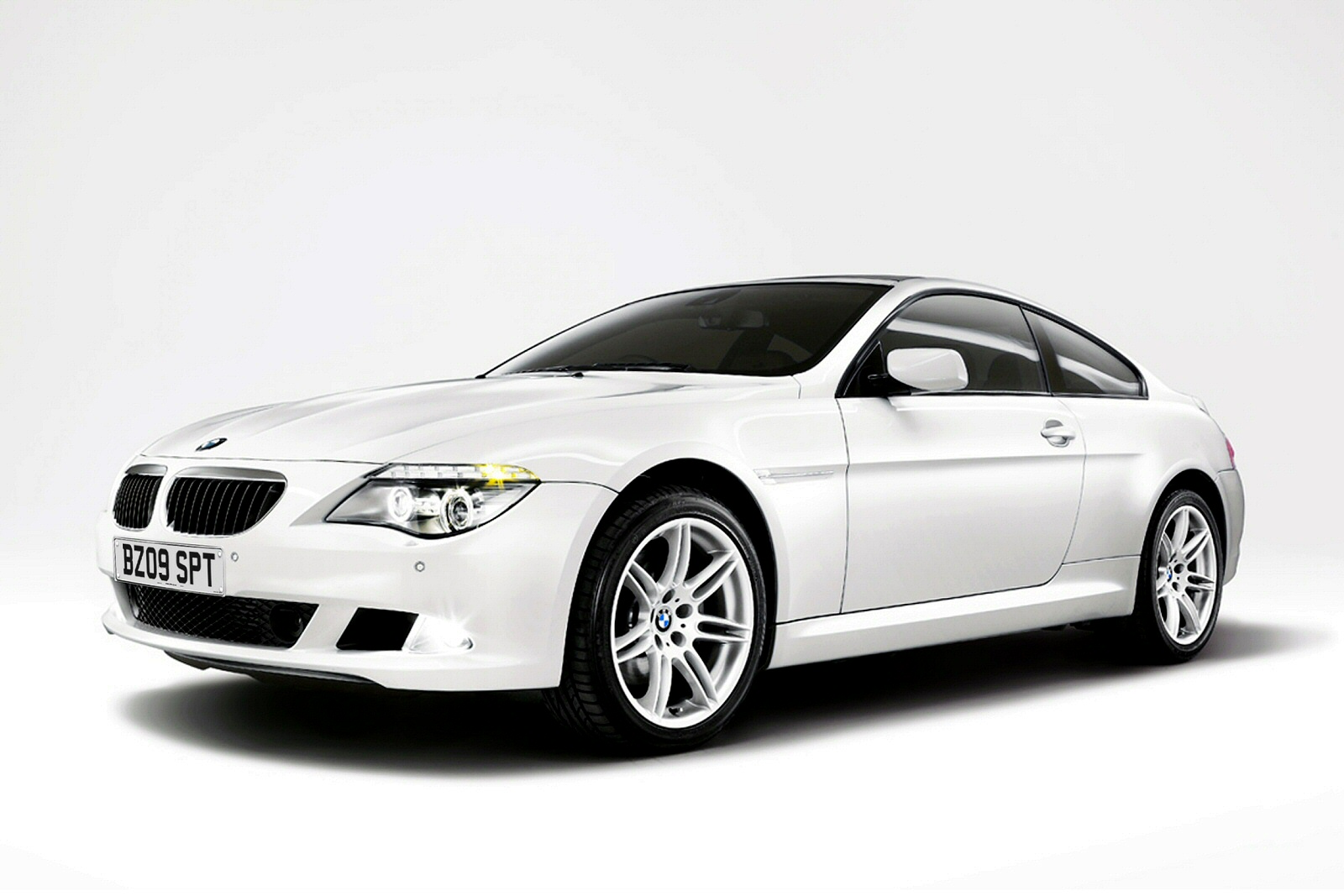
The BMW M6 is a high performance version of the BMW 6 Series car that was made by the motor sports division of BMW.
The M6 was created in the year 1983, when BMW took the Configuration from the M1 and put it in to the BMW 6 Series’ E24 chassis. Throughout the span of its life, the BMW M6 won numerous accolades for its elegant shark nose style, as well as its high performance standards and well designed luxury features. The BMW M6 is distinct from other E24 models for its M6 badges on the back and grille, subtle spoiler, and large air dam.
The BMW M6, in its latest version, was unveiled in the year 2005 at the Geneva Motor Show. It is based on the BMW E63/E64 6 Series, which was first introduced in the year 2004.
It has been claimed that the current BMW M6 model is capable of accelerating to sixty two miles per hour in less than five seconds. It has an electronically limited top speed of one hundred fifty five miles per hour. When the limiter is removed, the BMW M6 can reach a speed of over two hundred miles per hour.
| bmw m6 |
![]() |
| bmw m6 |
| bmw m6 |
| bmw m6 |
bmw 335i
| bmw 335i |
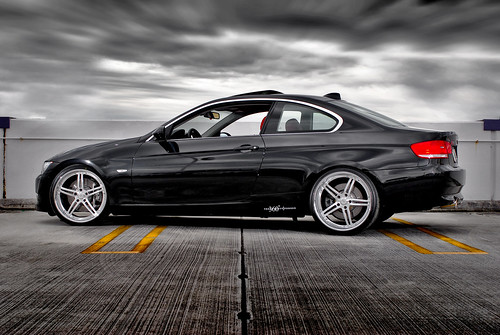
On paper, BMW's N54 turbo inline six was a tuner's dream. Direct injection, front-mounted intercooler and twin turbos, all attached to BMW's legendary drive dynamics. Most figured a simple software upgrade would make big power for very little cost. But it quickly became clear it was going to take considerable time and resources to penetrate the Siemens DME's defenses in order to manipulate the MSD80/81 code. This left some to develop external piggyback devices, but these simply acted as blinders, tricking the computer into thinking it's doing one thing when it's really doing something else. Now, GIAC has released its Stage 1 flash, and we just had to test it.
Vehicle Data
Engine: 3.0-liter I6, turbocharged and intercooled
Transmission: Six-speed automatic
Mileage: 44,908
Current modifications: Miro CSL Replica wheels, 8.5x19 (f), 9.5x19 (r)
Dyno Data Mustang MD-AWD-500 in 2wd Mode
Ambient temp: 80°F -86°F
Test gear: Fourth
Test octane: 91
Engine: 3.0-liter I6, turbocharged and intercooled
Transmission: Six-speed automatic
Mileage: 44,908
Current modifications: Miro CSL Replica wheels, 8.5x19 (f), 9.5x19 (r)
Dyno Data Mustang MD-AWD-500 in 2wd Mode
Ambient temp: 80°F -86°F
Test gear: Fourth
Test octane: 91
Baseline
Peak power:
265 hp @ 5550 rpm
Peak torque:
284 lb-ft @ 3175 rpm
Temperature: 80° F
Humidity: 24%
Peak power:
265 hp @ 5550 rpm
Peak torque:
284 lb-ft @ 3175 rpm
Temperature: 80° F
Humidity: 24%
| bmw 335i |
Test Notes
The baseline and all subsequent testing were performed on the same day, utilizing the same tank of 91 octane fuel. All quoted horsepower and torque numbers are measured at the wheels. It's also important to keep in mind that the properly calibrated "Mustang" dyno produces more accurate real world horsepower and torque numbers. While these numbers might seem low when compared to figures gathered from a Dynojet, what's important is the differences between each dyno run. Those differences are what we use to validate the manufacturer's horsepower and torque claims.
Test 1
Performance
Peak power: 313 hp @ 5,500 rpm
Peak torque: 331 lb-ft @ 3,175 rpm
Max power gain: 60 hp @ 6175 rpm
Max torque gain: 63 lb-ft @ 4250 rpm
Performance
Peak power: 313 hp @ 5,500 rpm
Peak torque: 331 lb-ft @ 3,175 rpm
Max power gain: 60 hp @ 6175 rpm
Max torque gain: 63 lb-ft @ 4250 rpm
Installation time: 45 minutes
MSRP: $800
MSRP: $800
Pros
• OBD port flashing allows the ECU and harness completely unmolested
• Increased throttle response and smoother power transitions
• Increase rev limiter to 7200 rpm
• Speed limiter is removed in the DME
software (not by altering vehicle speed sensor data) leaving ABS and DSC functions unaffected
• DME receives accurate data from the engine sensors, giving the ability to be more proactive instead of reactive, allowing DME to deliver the proper amount of fuel, cam and engine timing based on real world conditions
• 100% reversible
• OBD port flashing allows the ECU and harness completely unmolested
• Increased throttle response and smoother power transitions
• Increase rev limiter to 7200 rpm
• Speed limiter is removed in the DME
software (not by altering vehicle speed sensor data) leaving ABS and DSC functions unaffected
• DME receives accurate data from the engine sensors, giving the ability to be more proactive instead of reactive, allowing DME to deliver the proper amount of fuel, cam and engine timing based on real world conditions
• 100% reversible
Cons
• GIAC flashloader technology not available yet
Test Notes
Even though this '07 had been to the dealership on more than a dozen occasions it had never had any software updates done, even when they replaced the fuel pump. So instead of the spending the standard amount of time to flash the vehicle, it took an additional two hours to update the necessary systems to accept the later software version. We upgraded to the later software because BMW had made several beneficial improvements to overall drivability, making a better software base for Stage 1 recalibration.
The boost data was generated using a boost line attached directly to intake manifold then attached to an externally mounted 3bar GM style MAP sensor with a 0-5 volt analog output range that sends a signal that was then converted by the dyno Powerdyne software.
Parts: X-pipe, right and left axle pipe, muffler assembly with 3.5-inch round tips, 2.38-inch and 2.50-inch muffler clamps, vacuum plug
Tools: T50 torx bit, 15, 18 mm and 5/16-inch socket, extension, ratchet, WD-40, tape measure, reciprocating saw or pipe cutter
Installation time: 1-1.5 hours
MSRP:$1,301.99
Tools: T50 torx bit, 15, 18 mm and 5/16-inch socket, extension, ratchet, WD-40, tape measure, reciprocating saw or pipe cutter
Installation time: 1-1.5 hours
MSRP:$1,301.99
Pros
• 2.5-inch fully mandrel bent stainless steel tubing
• 21-pound weight savings over the stock system
• Merge X-Pipe is designed to create a vacuum between the right and left exhaust pipes, increasing exhaust gas velocity
• Merge X-pipe designed to deepen sound while reducing droning
• Borla Million-Mile Warranty offers replacement parts if the product has any defects in materials and workmanship for 1,000,000 miles
• 2.5-inch fully mandrel bent stainless steel tubing
• 21-pound weight savings over the stock system
• Merge X-Pipe is designed to create a vacuum between the right and left exhaust pipes, increasing exhaust gas velocity
• Merge X-pipe designed to deepen sound while reducing droning
• Borla Million-Mile Warranty offers replacement parts if the product has any defects in materials and workmanship for 1,000,000 miles
Cons
• Cutting of the stock system (not a Borla design problem) since factory system is one piece from the downpipes back and includes two catalytic converters; the only way to legally swap out the cat-back portion is to cut it
• Slip-joint construction makes installation a bit tricky
• Lack of sealing compound for slip-joints made eliminating small exhaust leaks difficult, requiring several adjustments
• Cutting of the stock system (not a Borla design problem) since factory system is one piece from the downpipes back and includes two catalytic converters; the only way to legally swap out the cat-back portion is to cut it
• Slip-joint construction makes installation a bit tricky
• Lack of sealing compound for slip-joints made eliminating small exhaust leaks difficult, requiring several adjustments
Test Notes
We let the exhaust cool for a while before we swapped it out, and by the time we returned to the dyno room and recalibrated the dyno, the outside temperature had increased to more than 100° Fahrenheit, and the dyno room had had increased to 86°.
| bmw 335i |
| bmw 335i |
| bmw 335i |
Friday, 3 June 2011
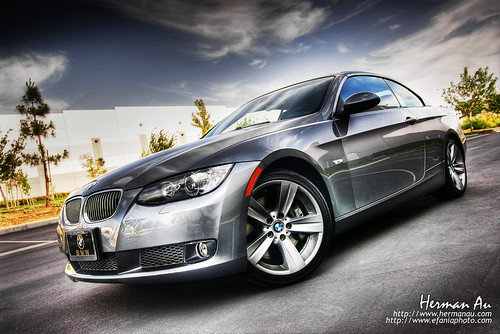
2012 bmw 3
| 2012 bmw 3 |
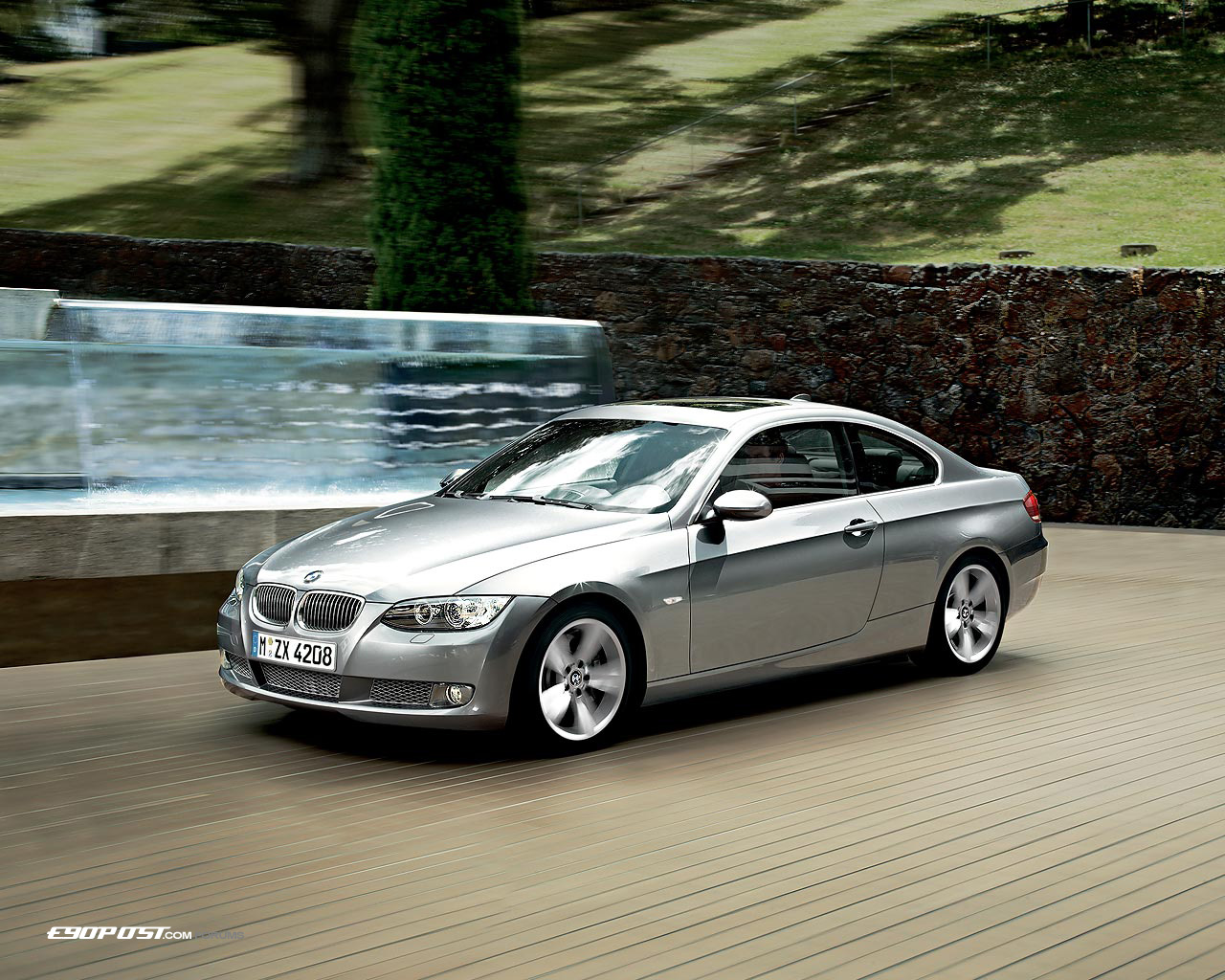
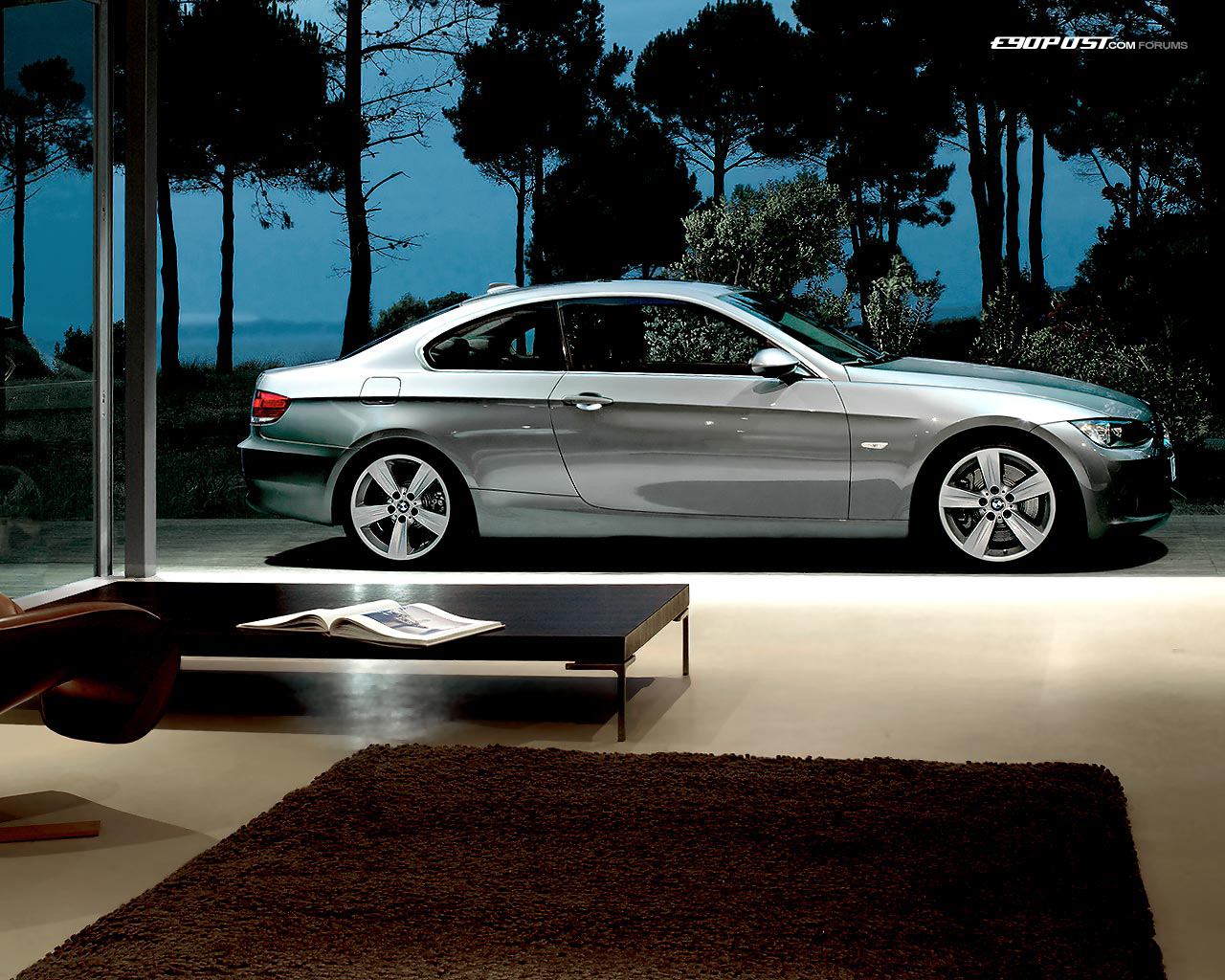
The BMW 3 series has become one of the most popular production automobile lines ever produced. Since its inception, the BMW 3 series lineup has taken the world by storm with its pronounced style, elegance, and unsurpassed driving experience. Since the original E21 3 series body style released in May of 1975, BMW has designed numerous body style changes and engine upgrades with one goal in mind: To uphold the tradition that has made the 3 series cars the most sought-after in the world.
The 2010 BMW 3 series models (coded E90 and E92 by the designers in Munich) feature the traditional Inline-6 cylinder engine that has been a staple of the 3 series from the start. However, unlike previous 3 series body styles, the 3.0L engine is common among all of the variants of the car. This includes the newly re-offered 328i, as well as the new and ferocious 335i. In previous models, the 328i would have been fitted with a 2.8L engine, and the 335i with a 3.5L engine. To reduce costs and improve the commonality of parts, BMW has changed to an all-3.0L fleet.
Have no fear: This 3.0L Inline-6 packs quite the punch for those looking to have a little bit of fun with their cars. Those who opt for the 335i model of the car will be taking the reins of a 300 horsepower monster. This engine is tuned for torque, with its 300 ft/lbs of torque being found at 1400 RPM. Those interested in the understated 328i model will find its 230 horsepower more than sufficient on the open road. With 200 ft/lbs of torque found at 2750 RPM, passing is a breeze.
With BMW's 3.0L Inline-6 in front of you, you'll be enjoying your 2010 BMW 3 series car for years to come.
| 2012 bmw 3 |
![]() |
| 2012 bmw 3 |
| 2012 bmw 3 |
| 2012 bmw 3 |
2012 bmw
| 2012 bmw |
BMW presented the new version of 2012, 2012 BMW . The base design of 2012 BMW is BMW Vision EfficientDynamics. I don’t know why but all BMW fans, didn’t really loved the idea to name this BMW model, a M1. The truth is that I really feel is not so good to be named M1 but I don’t know why yet.
They are about to make this car in 2012. If it will go into production, this would mean that the future cars are here. This car will use electric engines and two transmissions to acheive 60 mph in 3.8 seconds. The back of the car is not really like at BMW Vision EfficientDynamics but this would probably help to put this car into a production line.
The main rival will be Audi R8 and 2012 BMW M1 will try to have much better performances. 2012 BMW M1 will have under the hood a 1.5 liter 3 cylinder engine. With the two electric engines, will develop in total 356 horsepower and 590 lb-ft of torque. At the moment this car is just a concept.
| 2012 bmw |
| 2012 bmw |
| 2012 bmw |
| 2012 bmw |
Monday, 16 May 2011
bmw usa
| bmw usa |
BMW just launched an all new www.bmwusa.com. The main upgrades are a new much more visual configuration tool that incorporates images and 360’s that represent every possible permutation, even down to such details as headlights are represented with a correct image of the vehicle. The summary page is nice also giving you interior and exterior views. The have added a bunch more video as well.
| bmw usa |
| bmw usa |
| bmw usa |
Friday, 13 May 2011
Bmw x6
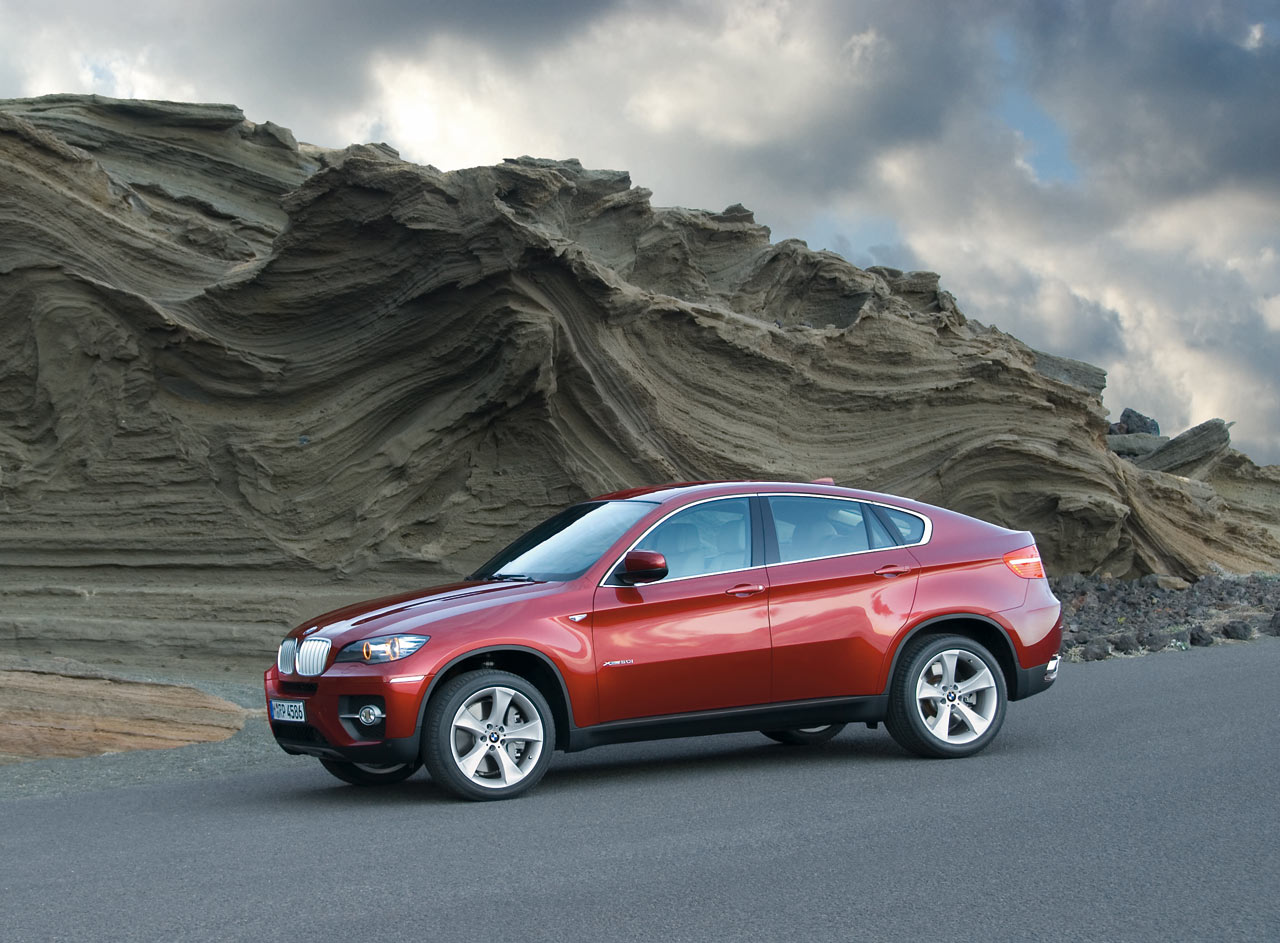
In straight line, this BMW X6 can outrun a Porsche Boxster in a way that no 2.2-tonne vehicle should. This ludicrously names BMW X6 xDrive 50i (yes, that’s the full model designation) puts a convincing amount of dirty air between its high tail and the Porsche’s low snout.
Here lies the brilliance of the X6-it is a fantastic blend of the desirable SUV qualities-high ground clearance, presence and a commanding driving position-and the performance and handling of a sports coupe. BMW says the X6 is a Sports Activity Coupe. Think of it as the offspring of an SUV that mated with a sports car. This kind of vehicle will at best be a niche-within-a-niche’ but that doesn’t stop it from being hugely desirable.
There’s a lot more substance under this X6 than its unusual looks would suggest. It shares its platform with the X5, which is not a bad place to start. It’s a more driver-focused version, one that looks sportier than a full-fledged SUV and it is in this blurring of lines that the X6’s appeal lies.
Imported into India directly from BMW’s Spartanburg plant in the US of A, the X6 shares a lot of its interiors, several of its dimensions and a few mechanical bits with the X5. The wheelbase at 2933mm is the same as the X5’s as is the front track. The rear track, however, is far wider than the X5’s partly because of the new rear differential and partly because of those humongous 315/35 R20 rear tyres. Although it is only 55mm lower than the X5 at its highest point, the combination of the sloping roofline and shallower side glazing makes the X6 look incredibly imposing, even intimidating. The steeply raked window line further accentuates the car’s deep body sides and dramatically swollen wheel arches. It’s a design that turns heads, and here, it wins a very crucial victory. The Porsche Cayenne has certainly been toppled by the X6 for visual drama.
Under the skin, the X6 is powered by the same direct-injection, 4.4-litre twin-turbo petrol V8 that powers the 750Li. It is hardly short of grunt with 407bhp and a huge 61kgm of torque from 1750rpm. It drives BMW’s excellent six-speed auto, which has the ability to ‘lock-up’ and behave more like a manual transmission, eliminating the characteristic slushy feel of a conventional auto ‘box. Sending power to all four wheels via BMW’s xDrive all-wheel-drive system, the X6 also debuts BMW’s new rear differential-the Dynamic performance Control (see ‘Under The skin’ box). It makes a huge difference to the character of the car, but more on that later.
Central to the X6’s appeal is the engine. With a diesel-like bottom-end torque that feels more locomotive than automobile, the engine is never sort on grunt. The engine is never short on grunt. The tremendous thrust that this engine musters so instantaneously is so addictive that you have to make a conscious effort to stay at prudent speeds. 0-100kph is dispatched in a scarcely believable six seconds flat and it will cross 200kph in under 25 seconds.
Keep your foot down and it will close in on its 250kph (limited) top speed with the ferocity of a Great white Shark, all the while covering ground at an incredible pace. The gearbox is quick and very obedient, downshifting almost every time we asked it to. The X6’s party trick is its exhaust system. In the 750Li this engine has to be restrained, but in the sporty X6’s it can afford to be more vocal. It idles with a distant hint of an American V8, sounds like a hairy-chested gorilla at part-throttle, and hones in on a refined howl as it closes in on 6700rpm. It’s never ‘public-nuisance’ loud, but its vocal range makes driving through tunnels a thoroughly enjoyable experience. Part of the reason you enjoy the engine’s soundtrack is because the cabin is well insulated from unwanted noise. There’s surprisingly little wind and tyre noise considering the continental width of those tyres.
There aren’t many tall, 4WD cars weighing as much as 2,190kg that feel as agile as the X6. The X6’s optional active steering (it increases assistance and speeds up the rack at low speeds, while reducing assistance and applied lock at higher speeds) is accurate and has fantastic feel. In ‘Sport’ mode, the adaptive drive system swivels the anti-roll bars and adjusts damper rates, so there’s almost no body roll and keeps the X6 supremely stable through corners. You can throw the X6 through corners, the massive 315 rear tyres claw into the tarmac, the xDrive and the new differential sorting out any mid-corner traction issues you might have. It’s a BMW after all.
Which brings us to the ride – you expect the 20-inch wheels and the run-flat tyres to give your kidneys a hard time over anything less-than-perfect tarmac. But happily this is not the case. Yes, the ride is firm and thumps over sharp bumps, but it doesn’t get as uncomfortable as you would expect. Of course, it’s nowhere near the cosseting you get in a Mercedes-Benz M-class.
You would expect a lot of space inside but you’ll be disappointed. The X6 is a pure four-seater and rear accommodation-given the slope of the roofline-is not impressive. BMW has done what it can; there’s plenty of shoulder room and the cabin roof is contoured to allow as much headroom as possible. Legroom is perfectly acceptable, but there’s no getting away from the fact that anyone of above-average height will probably feel cramped, especially given the X6’s high waistline.
Up front, space is fantastic though. There’s enough headroom, legroom and width to make finding a comfortable position on the snug seats easy. The building blocks of the interior are basically the same as the X5, including the entire dashboard, front centre console and door trims. The cabin is a fine place to be in, thanks to its high-quality construction and well thought-out design. If we could find fault with it, it would be that it looks too much like any other BMW cabin.
Oh, and the rearward visibility through that small rear windshield is pathetic. Reversing and parking can be a nightmare in the confines of the city. You do get parking sensor, but a reverse camera is sorely missed. It is an expensive option though.
As expected, fuel efficiency is dismal. With a high kerb weight and a huge engine, this car feels like it can empty a petrol pump if you drive by too fast. For the record, we got 3.3kpl in the city and 5.1kpl on the highway. So, despite the 85-litre fuel tank, you’ll be visiting fuel pumps quite often too. You can take consolation in the fact that the fuel is getting used to provide some serious fun.
BMW X6 X Drive 501
AUTOCAR VERDICT
The X6 costs Rs 1.09 crore. At this price and for this kind of car, desirability, sex appeal and performance are everything. Here the X6 excels. It can outrun most sports cars, stand out of the crowd in most parking lots, and has the added bonus of its willingness to be taken by the scruff of its neck and driven hard. It’s a sports car on stilts. Yes, the ride could have been better, it could have been more spacious, lighter and more frugal. If you need the practicality of an Suv, look elsewhere. If you’re looking for a sports car and an Suv, then here’s both.
Here lies the brilliance of the X6-it is a fantastic blend of the desirable SUV qualities-high ground clearance, presence and a commanding driving position-and the performance and handling of a sports coupe. BMW says the X6 is a Sports Activity Coupe. Think of it as the offspring of an SUV that mated with a sports car. This kind of vehicle will at best be a niche-within-a-niche’ but that doesn’t stop it from being hugely desirable.
There’s a lot more substance under this X6 than its unusual looks would suggest. It shares its platform with the X5, which is not a bad place to start. It’s a more driver-focused version, one that looks sportier than a full-fledged SUV and it is in this blurring of lines that the X6’s appeal lies.
Imported into India directly from BMW’s Spartanburg plant in the US of A, the X6 shares a lot of its interiors, several of its dimensions and a few mechanical bits with the X5. The wheelbase at 2933mm is the same as the X5’s as is the front track. The rear track, however, is far wider than the X5’s partly because of the new rear differential and partly because of those humongous 315/35 R20 rear tyres. Although it is only 55mm lower than the X5 at its highest point, the combination of the sloping roofline and shallower side glazing makes the X6 look incredibly imposing, even intimidating. The steeply raked window line further accentuates the car’s deep body sides and dramatically swollen wheel arches. It’s a design that turns heads, and here, it wins a very crucial victory. The Porsche Cayenne has certainly been toppled by the X6 for visual drama.
Under the skin, the X6 is powered by the same direct-injection, 4.4-litre twin-turbo petrol V8 that powers the 750Li. It is hardly short of grunt with 407bhp and a huge 61kgm of torque from 1750rpm. It drives BMW’s excellent six-speed auto, which has the ability to ‘lock-up’ and behave more like a manual transmission, eliminating the characteristic slushy feel of a conventional auto ‘box. Sending power to all four wheels via BMW’s xDrive all-wheel-drive system, the X6 also debuts BMW’s new rear differential-the Dynamic performance Control (see ‘Under The skin’ box). It makes a huge difference to the character of the car, but more on that later.
Central to the X6’s appeal is the engine. With a diesel-like bottom-end torque that feels more locomotive than automobile, the engine is never sort on grunt. The engine is never short on grunt. The tremendous thrust that this engine musters so instantaneously is so addictive that you have to make a conscious effort to stay at prudent speeds. 0-100kph is dispatched in a scarcely believable six seconds flat and it will cross 200kph in under 25 seconds.
Keep your foot down and it will close in on its 250kph (limited) top speed with the ferocity of a Great white Shark, all the while covering ground at an incredible pace. The gearbox is quick and very obedient, downshifting almost every time we asked it to. The X6’s party trick is its exhaust system. In the 750Li this engine has to be restrained, but in the sporty X6’s it can afford to be more vocal. It idles with a distant hint of an American V8, sounds like a hairy-chested gorilla at part-throttle, and hones in on a refined howl as it closes in on 6700rpm. It’s never ‘public-nuisance’ loud, but its vocal range makes driving through tunnels a thoroughly enjoyable experience. Part of the reason you enjoy the engine’s soundtrack is because the cabin is well insulated from unwanted noise. There’s surprisingly little wind and tyre noise considering the continental width of those tyres.
There aren’t many tall, 4WD cars weighing as much as 2,190kg that feel as agile as the X6. The X6’s optional active steering (it increases assistance and speeds up the rack at low speeds, while reducing assistance and applied lock at higher speeds) is accurate and has fantastic feel. In ‘Sport’ mode, the adaptive drive system swivels the anti-roll bars and adjusts damper rates, so there’s almost no body roll and keeps the X6 supremely stable through corners. You can throw the X6 through corners, the massive 315 rear tyres claw into the tarmac, the xDrive and the new differential sorting out any mid-corner traction issues you might have. It’s a BMW after all.
Which brings us to the ride – you expect the 20-inch wheels and the run-flat tyres to give your kidneys a hard time over anything less-than-perfect tarmac. But happily this is not the case. Yes, the ride is firm and thumps over sharp bumps, but it doesn’t get as uncomfortable as you would expect. Of course, it’s nowhere near the cosseting you get in a Mercedes-Benz M-class.
You would expect a lot of space inside but you’ll be disappointed. The X6 is a pure four-seater and rear accommodation-given the slope of the roofline-is not impressive. BMW has done what it can; there’s plenty of shoulder room and the cabin roof is contoured to allow as much headroom as possible. Legroom is perfectly acceptable, but there’s no getting away from the fact that anyone of above-average height will probably feel cramped, especially given the X6’s high waistline.
Up front, space is fantastic though. There’s enough headroom, legroom and width to make finding a comfortable position on the snug seats easy. The building blocks of the interior are basically the same as the X5, including the entire dashboard, front centre console and door trims. The cabin is a fine place to be in, thanks to its high-quality construction and well thought-out design. If we could find fault with it, it would be that it looks too much like any other BMW cabin.
Oh, and the rearward visibility through that small rear windshield is pathetic. Reversing and parking can be a nightmare in the confines of the city. You do get parking sensor, but a reverse camera is sorely missed. It is an expensive option though.
As expected, fuel efficiency is dismal. With a high kerb weight and a huge engine, this car feels like it can empty a petrol pump if you drive by too fast. For the record, we got 3.3kpl in the city and 5.1kpl on the highway. So, despite the 85-litre fuel tank, you’ll be visiting fuel pumps quite often too. You can take consolation in the fact that the fuel is getting used to provide some serious fun.
BMW X6 X Drive 501
AUTOCAR VERDICT
The X6 costs Rs 1.09 crore. At this price and for this kind of car, desirability, sex appeal and performance are everything. Here the X6 excels. It can outrun most sports cars, stand out of the crowd in most parking lots, and has the added bonus of its willingness to be taken by the scruff of its neck and driven hard. It’s a sports car on stilts. Yes, the ride could have been better, it could have been more spacious, lighter and more frugal. If you need the practicality of an Suv, look elsewhere. If you’re looking for a sports car and an Suv, then here’s both.
2011 bmw x3
The new second generation BMW X3 will be produced in an expansion of the BMW Spartanburg, South Carolina plant and is expected to arrive in US BMW Centers by the end of 2010.
BMW X3’s exterior design front side with the forward-slanting BMW kidney grille and large headlight assembly combine with a powerful-looking front apron and hood boasting six contour lines sweeping down to meet at the kidney grill. When equipped with the optional Xenon headlights, the Corona Rings and daytime running lights are illuminated by bright white LEDs. The taillights, which are located far to the outside, have a distinctive T-shape that is characteristic of the BMW X3. LED light bars create a distinctive BMW night-time design signature.
Dimensionally, compared to its predecessor the new X3 is a half-inch (12mm) taller, 3.36-inches (83mm) longer, 1.1-inches (28mm) wider, and features a half-inch (12mm) more ground clearance. It rides on a wheelbase which is 0.6-inches (15mm) longer, at 110.6 inches (2810mm).
The interior has been redesigned from the ground up and now features a classic four-dial instrument layout along with a more driver orientated center console housing a large 8.8-inch high-resolution screen.
In the U.S., the 2011 BMW X3 will be offered at launch with two straight six-engines, both matted to a new 8-speed automatic transmission.
The entry-level X3 xDrive28i features BMW’s 3.0-liter inline-six rated at 240HP at 6,600 rpm and 230 lb-ft of torque between 2,600 and 3,000 rpm, enough to accelerate from 0 -60 mph in 6.7 seconds or half-a-second quicker than the previous X3 xDrive30i equipped with an automatic transmission.
The flagship X3 xDrive35i gets the Bavarian firm’s newest turbocharged 3.0-liter straight-six “N55″ engine combining direct fuel injection, twin-scroll turbo technology and Valvetronic. It produces an output of 300HP at 5,800 rpm, with peak torque of 300 lb-ft available all the way from 1,200–5,000 rpm. Redline is 7,000 rpm.
With this engine, the new BMW X3 sprints from 0 to 60mph (96km/h) in 5.5 seconds and reaches an electronically limited top speed of 155mpg (250km/h) when fitted with the optional Sport Package.
In Europe, the 2011 BMW X3 will be available with two engine variants at launch. The xDrive20d is powered by a 2.0-liter turbocharged four-cylinder diesel engine delivering 184HP and 380Nm / 280.2 lb-ft, hooked up to a standard six-speed manual or an optional eight-speed auto.
It can accelerate from zero to 100km/h (62mph) in 8.5 seconds and top out at 210km/h (131mph), while returning a combined fuel economy of 5.6 lt/100km (42mpg US or 50.4mpg UK).
The top-end X3 xDrive35i makes use of the same straight-six turbo found on the U.S.-spec model, however output is rated at 306HP and 400Nm / 295 lb-ft. This engine enables the X3 to sprint from 0 to 100 km/h (62mph) in 5.7 seconds and achieve a top speed of 245 km/h (152mph). Average fuel consumption in the EU test cycle is 8.8 lt/100 km (26.7mpg US or 32.1mpg UK) and the CO2 emission level is 204 g/km.
More engine variants including four-cylinder gasoline engines and a 204HP 2.0-liter diesel will be introduced to the range in late 2011.
All xDrive models feature the latest generation of BMW’s intelligent all-wheel drive that splits torque 40 per cent to the front wheels and 60 per cent at the rear under normal driving conditions.2011 bmw x5
The new BMW X5 continues to strengthen its leading position within the four-wheel driven premium vehicles by featuring a modified version of the first-generation of BMW X5 through expressive design with first-class equipment features, innovative drive technology, and new ranges of engines. Moreover, as Exclusive Options, the new BMW X5 also features Premium Standard Equipment.
Expressive Design with First-Class Equipment Features
To enhance sporting performance, the body design of the new BMW X5 is characterized by well-balanced proportions that accentuate both the vehicle’s powerful elegance and its agility. Like all BMW X models, this Sports Activity Vehicle boasts a dynamic, robust but elegant appearance with highly rigid body structure that has an optimum weight. The new BMW X5 also boasts a strikingly expressive front end that symbolizes power and presence with the dual round headlights and fog lamps with the LED corona rings, which are now situated higher and closer to the BMW kidney grille. The rear apron takes up the graphic structure of the front end, and the intricately designed surrounds of the tailpipes are located far to the side. Above the bumper, the rear is divided by parallel horizontal lines.The interior of the new BMW X5 comes as standard with side curtain head airbags. It also features three-point automatic seat belts for all seats, belt force limiters, belt tensioners and crash-active headrests at the front as well as the ISOFIX child seat system for the second-row seats. All occupant restraint systems are centrally and electronically controlled. The high seating permits an optimum view of each traffic situation. Moreover, besides a hard disk storage unit for digital maps and the personal music collection, the navigation system Professional also comprises multi-mode control of functions by voice entry – which facilitates direct access to stored music and the verbal entry of entire addresses – and by the controller. The voice entry and the controller remain active at the same time for simultaneous use.
Innovative Drive Technology
The new drive technology implemented on the new BMW X5 includes: a revised BMW xDrive technology which contributes even more effectively to distribute drive forces to the front and rear axles in a 40:60 split in normal driving situations; suspension technology ideal prerequisite for supreme driving dynamics on tarmac; Adaptive Drive which permanently monitors and calculates data on the road speed, steering angle, lateral and longitudinal acceleration, body and wheel velocity as well as height levels; high-performance brake system and tires with emergency running properties; ConnectedDrive driver assistance systems for optimizing comfort and safety as well as for the use of infotainment functions, offering the world’s most unique choice of mobility services relating to traffic information, emergency calls, vehicle, information and office services, travel and leisure time planning as well as the Internet; and Speed Limit Info and Lane Departure Warning.New Range Of Engines with Turbocharger and Direct Injection in All Petrol and Diesel Versions
Petrol engines:
Due to its V8 engine featuring BMW TwinPower Turbo technology and High Precision Injection, output of the new BMW X5 xDrive50i has increased by 39 kW compared with the predecessor model. The unique 4.4 litre turbochargers engine develops an output of 300 kW/407 bhp within an engine speed range of 5,500 to 6,400 rpm. Maximum torque is at 600 Nm between 1,750 and 4,500 rpm. The BMW X5 xDrive50i accelerates from a standstill to 100 km/h in 5.5 seconds, reaching its top speed at 250 km/h. Average fuel consumption according to the EU test cycle is 12.5 litres/100 km. The CO2 emission level is 292 grams/km.The BMW X5 xDrive35i features the first straight six-cylinder to combine BMW TwinPower Turbo technology, direct petrol injection (High Precision Injection) and VALVETRONIC variable valve control. With 225 kW/306 bhp at 5,800 rpm, the engine surpasses its predecessor’s maximum output by 25 kW. Maximum torque of 400 Nm is available between 1,200 und 5,000 rpm. The new BMW X5 xDrive35i sprints from 0 to 100 km/h in 6.8 seconds, top speed being 235 km/h. The significantly increased output is combined with an average fuel consumption reduced to 10.1 litres/100 km in the EU test cycle and a CO2 emission level of 236 grams/km.
Diesel engines:
The new BMW X5 xDrive40d, with its BMW TwinPower Turbo technology and Common Rail direct injection, delivers a maximum output of 225 kW/306 bhp at 4,400 rpm and a maximum torque of 600 Nm available between 1,500 and 2,500 rpm. Torque of 450 Nm is already achieved at an engine speed of 1,000 rpm. More than 90 percent of maximum output is available within a range of 3,500 to 5,000 rpm. The new diesel has a maximum engine speed of 5,600 rpm. The BMW X5 xDrive40d sprints from 0 to 100 km/h in 6.6 seconds. Top speed is 236 km/h, and has an average fuel consumption of 7.5 litres/100 km in the EU test cycle and a CO2 emission level of 198 grams/km.The second diesel variant in the model range is the new BMW X5 xDrive30d. Its straight six-cylinder engine is supercharged and has a variable turbine geometry and Common Rail direct injection operating at a maximum pressure of 1,800 bar. The engine generates its maximum output of 180 kW/245 bhp at 4,000 rpm, producing its maximum torque of 540 Nm between 1,750 and 3,000 rpm. The new BMW X5 xDrive30d accelerates from 0 to 100 km/h in 7.6 seconds and reaches a top speed of 222 km/h. The average fuel consumption in the EU test cycle is now 7.4 litres/100 km, with a reduction of 10%. The new BMW X5 xDrive30d achieves a CO2 emission level of 195 grams/km.
All new BMW X5 model variants are equipped as standard with an eight-speed automatic transmission with optimized shifting dynamics and unmatched efficiency.
Premium Standard Equipment (Exclusive Options)
The new BMW X5 offers the driving and travelling comfort of a luxury-class premium vehicle with its premium standard equipment, which includes 4-zone automatic climate control, an audio system with CD drive and AUX In connection, a multifunction steering wheel, electrically operated front seat height and backrest adjustment with active front seat ventilation, a rain sensor with integrated automatic headlight control, a heated steering wheel, a panorama glass roof, an electrically operated tailgate, an automatic soft-close function for all doors, a CD changer and a USB audio interface, and a rear compartment entertainment system with a TV function for both analogue and digital television reception.Besides, the new BMW X5 is also equipped as standard with the latest generation of the iDrive control system, of which 6.5-inch control display is harmoniously integrated into the dashboard and ideally positioned for the driver. The onboard computer and the audio system as well as the navigation and communication functions are activated by tilting, turning and pressing the controller, which is located in the middle of the centre console.
The optional tow coupling for the new BMW X5 can be equipped with an electrically pivotable ball head. Maximum trailer load of the new BMW X5 is 3,500 kilograms.
2011 bmw x6
BMW has officially announced changes for its 2011 BMW X6, and the big news is that the German automaker will swap out its twin-turbo N54 inline-six in this sport utility for the new twin-scroll single turbo N55 mill, just like it did in the new 5 Series. The move continues BMW's drive toward simplifying its engine options while at the same time providing X6 owners with stronger acceleration and increased efficiency. BMW claims the N55 matches the twin-scroll N54's power numbers while also cutting weight from the engine bay. And since this bubbly crossover weighs in at a rotund 4,900 pounds, we're thinking every pound lost is a good thing.
The twin-scroll inline-six will produce 306 horsepower and 295 pound-feet of torque in the X6, six more ponies and five fewer lb-ft than the outgoing twin turbo model. Both the X6 35i and X6 50i will also receive ZF's eight speed automatic transmission for the 2011 model year. The eight forward gears will even further improve efficiency while also deliver smoother shifts.
Subscribe to:
Posts (Atom)